The Carton Doesn't Need a Sommelier: A Vodka Case for Friday Takeout
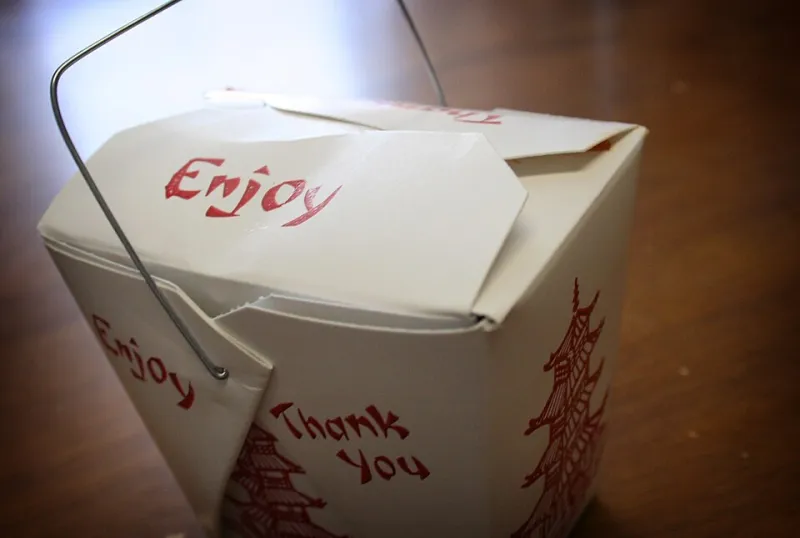
Photo: Ginny from USA, CC BY-SA 2.0, via Wikimedia Commons
Friday takeout has its own choreography. The bags land on the counter, the cartons open, the soy sauce packets pile up, and someone asks what we are drinking. Beer is the default. Riesling gets a nod from the wine people. And both can work. But if the table is crowded with General Tso's chicken, crab rangoon, lo mein, and a steamer of dumplings, a cold, clean vodka deserves a seat—not as a stunt, but as a practical answer.
This is not an argument that vodka is the only thing to drink with American Chinese food. It is an argument that vodka belongs in the rotation, especially when the food is sweet, savory, spicy, and fried all at once. The carton does not need a sommelier. It needs a cold glass, a little acid, and a spirit that knows how to step back.
Where Wine and Beer Lose the Thread
Wine and beer stumble with takeout for reasons that have nothing to do with snobbery. General Tso's chicken is sweet and sticky, with a glaze that can make a dry red taste thin and a hoppy beer taste bitter. Crab rangoon is creamy and fried, which can flatten a light lager and overwhelm a delicate white. Dumplings come with soy-vinegar dip, and soy sauce is an umami bomb that can make tannin feel chalky. Chili oil adds heat, and hops can turn that heat up rather than cool it down.
None of this means wine and beer are wrong. A crisp pilsner with dumplings is a fine time. An off-dry Riesling with spicy sesame noodles can be excellent. But the takeout table is a moving target. One bite is sweet, the next is salty, the next is fried, the next is hot. A neutral spirit with high proof and a cold temperature can reset the palate between those shifts. That is vodka's quiet skill.
Cold, Clean, and Built for the Reset
Vodka does not compete with five-spice, garlic, ginger, or scallion. It does not add tannin to soy sauce or bitterness to chili oil. What it adds is cold and clean—two things a heavy takeout spread needs. The cold temperature tightens the sip and makes the spirit feel crisp against fried food. The clean finish gives the palate a breather before the next spoonful of lo mein.
There is also a practical advantage: vodka is easy to keep ready. A bottle lives in the freezer, a highball glass lives in the same freezer, and the rest of the drink is lime, soda, ginger beer, or tea. You are not opening a special bottle or worrying about whether a red has enough acidity for crab rangoon. You are pouring something cold and getting back to the food.
Temperature Notes Before the First Carton Opens
Store the bottle in the freezer. Vodka's high alcohol content keeps it from freezing solid in a home freezer, and the cold temperature keeps the first sip sharp. Chill your highball or rocks glasses too, or at least fill them with ice while you unpack the bag. Use one large cube if you have it. A big cube melts slowly, so the drink stays cold without turning watery before the dumplings are gone.
Measure the vodka. Two ounces per drink is a good starting point for a highball; it gives the drink backbone without turning Friday dinner into a cocktail hour that forgets the food. And do not let the drink sit. Build it, stir it once, and drink it while the fried things are still crisp. The takeout is the main event. The vodka is there to keep the table moving.
Three Builds for the Spread
The Ginger-Lime Highball
For General Tso's chicken and anything with a sticky glaze. Ginger beer brings a gentle spice that echoes the food without copying it, and lime keeps the sweetness in check.
- 2 ounces cold vodka
- 1/2 ounce fresh lime juice
- 3 ounces ginger beer
- Lime wheel, for garnish
Build in a chilled highball over one large cube. Add the vodka and lime, stir once, then top with ginger beer and garnish. The drink should taste brisk, not sugary.
The Chilled Tea Sour
For crab rangoon and fried rice. Strong black tea adds a soft tannic edge without the weight of wine, and lemon and honey give the drink enough shape to cut through cream cheese and crisp wonton.
- 2 ounces cold vodka
- 1 ounce chilled strong black tea
- 3/4 ounce fresh lemon juice
- 1/2 ounce honey syrup (equal parts honey and hot water, cooled)
- Lemon twist, for garnish
Shake the vodka, tea, lemon, and honey syrup with ice. Strain into a rocks glass over a large cube and finish with a lemon twist. If you want a silkier texture, add an egg white and shake again, but it is not required.
The Salted Lime Highball
For dumplings, lo mein, and anything served with soy-vinegar dip. A pinch of salt sounds like nothing. It is not. It rounds the lime, lifts the vodka, and makes the drink taste like it was built for savory food.
- 2 ounces cold vodka
- 1/2 ounce fresh lime juice
- Pinch of fine salt
- 4 ounces cold soda water
- Lime wedge, for garnish
Build in a chilled highball over ice. Add vodka, lime, and salt, stir, then top with soda. Garnish with a lime wedge. Keep it simple and cold.
A Practical Order of Operations
Start with the dumplings and the salted lime highball. The salt and acid wake up the palate without getting in the way of soy and vinegar. Move to crab rangoon with the tea sour; the lemon and tea keep the fried cream from coating the mouth. Finish with General Tso's and the ginger-lime highball, which has enough sparkle and spice to handle the glaze. If someone wants a second round, repeat the first drink. This is takeout, not a tasting menu.
One more note: keep a pitcher of ice water on the table. Vodka is strong, the food is salty, and the best host move is making sure everyone drinks water between rounds. The point is not to get fancy with the cartons. The point is to make the table work. A cold, clean vodka does that with very little ceremony—and on a Friday night, that is exactly the right amount of effort.