What Survives the Shelf: Opened Vodka After Half a Year at Home
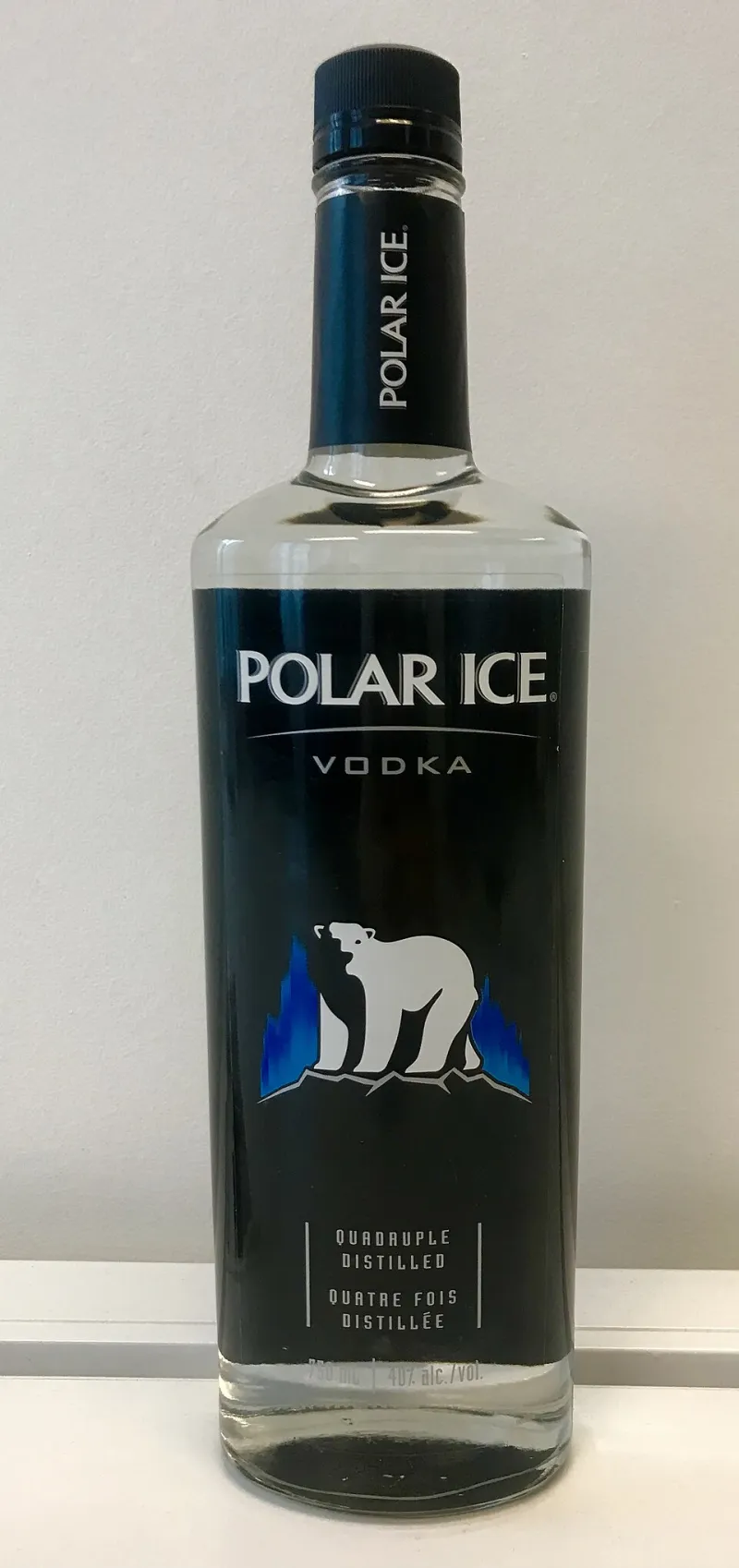
Photo: Kaitlin.Mason, CC BY-SA 4.0, via Wikimedia Commons
An opened bottle of vodka is not a carton of milk. It does not curdle, it does not announce itself with a smell, and it will not go bad on a schedule. But six months in an American kitchen can still leave a mark. The question is not whether the bottle is safe. It is whether the vodka still tastes like vodka, and whether the way you store it is helping or quietly working against you.
The Kitchen Is a Strange Little Lab
To get a real answer, I treated three identical bottles of plain vodka like roommates. One went into a freezer drawer. One sat in a cupboard near the stove. One lived on a bar cart beside a window. This was not a lab. It was a normal apartment kitchen with a coffee maker, a cutting board, and a radiator that runs hot in November. I checked at one, three, and six months, compared each pour to a freshly opened bottle, and kept notes on aroma, texture, and the small off-notes that show up in a glass.
The results were less dramatic than the internet suggests. Opened vodka is hardy. It is also not invincible. The difference between good storage and bad storage is mostly about how long the bottle stays bright, clean, and recognizable.
Freezer: Cold, Dry, and Mostly Forgiving
Most home freezers sit around 0°F, and plain vodka at 40% ABV will not freeze solid in that environment. Cold slows chemical reactions, which is a point in the freezer's favor. It also makes the vodka pleasantly viscous and sharp, the way a good martini wants it.
The catch is that freezer air is dry and eager to share odors. A bottle with a loose cap can pick up the ghost of last week's frozen shrimp or an open bag of coffee. Condensation is another small nuisance. Pull the bottle out, let it warm up, put it back, and you can get moisture on the label and around the cap. That does not ruin the vodka, but it does make the bottle less pleasant to handle.
Freezer rules are simple. Keep the cap tight. Keep the bottle upright. Put it in the back corner, not the door where temperatures swing every time someone reaches for ice. If the bottle is flavored or infused, check the label and use your nose before you pour. Some ingredients haze in cold, and some fade faster than plain spirit.
Cupboard: Heat Is the Quiet Culprit
The cabinet above the stove is the worst seat in the house. Heat rises, and every batch of chili, sheet-pan chicken, or Thanksgiving gravy sends warm air and steam upward. Over six months, that cycle can dull the aroma and leave the bottle smelling like last week's dinner.
A dark cabinet away from the oven is a much better home. You want steady temperature, low light, and enough room that the bottle is not wedged against a warm appliance. Vodka does not need to be babied, but it does respond to its surroundings. A cool, dark shelf keeps the spirit cleaner and more neutral, which is the whole point of a cold-clear pour.
Bar Cart: Light and Air Are Not Neutral
Sunlight is a slow thief. UV light can degrade delicate aromas, and a clear bottle on a windowsill is basically a sunbathing experiment. The bar cart looks great near a window, but six months of afternoon light can leave the vodka tasting a little flat or tired.
Keep the cart in shade, cap the bottle after every pour, and wipe up sticky rings before they become a fruit-fly convention. Dust matters too. A bottle that sits open beside a bowl of limes is asking for trouble. The bar cart is for serving, not for long-term storage.
Oxidation, Without the Doom
Vodka is high-proof, so oxygen has less appetite for it than it does for wine. You will not open a bottle after six months and find a vinegar project. What you are more likely to notice is evaporation and the slow exchange of air through a loose cap. A half-full bottle has more headspace, which means more air contact, but that is not an emergency.
If the vodka tastes flat or slightly dull, do not pour it down the drain. Use it in a Bloody Mary, a mule, or a batch of vodka sauce. Mixed drinks are forgiving. A spirit that is no longer vivid enough for a neat sip can still do honest work behind ginger beer and lime.
Flavor Drift Is Real, but It Is Not Uniform
Plain vodka should stay pretty stable for six months if it is capped and kept out of heat and light. Flavored vodka is a different story. Fruit, vanilla, honey, and other additives can fade, turn, or pick up a syrupy heaviness. Check flavored bottles before you pour them for guests. If the aroma has gone soft or the finish feels dull, move it to the cooking shelf or the punch bowl.
Homemade infusions deserve their own warning. A jar of fruit vodka is not a permanent decoration. Strain it after a few days, refrigerate it, and label it with the date. Garlic and herb infusions belong in the fridge too. Dairy-based infusions are short-term projects, not pantry trophies.
Infusion Safety Is a Food Question
Alcohol is not a substitute for refrigeration. It can slow some things down, but it does not make ajar of peaches or cream shelf-stable. Fruit infusions should be strained and kept cold. Herb and garlic infusions should be refrigerated and watched. If an infusion looks cloudy, fuzzy, or smells wrong, toss it. Do not taste it to be brave. Clean jars, clean lids, and a date label will prevent most problems before they start.
Six-Month Storage Rules That Actually Help
- Keep the cap tight and the bottle upright.
- Freezer storage is fine for plain vodka, but keep it away from smelly food.
- A dark cupboard beats the cabinet above the stove.
- Put the bar cart in shade, not beside a sunny window.
- Write the open date on the bottle with a marker.
- Taste before you pour for company.
- Label and refrigerate infusions.
- Do not decant vodka into a pretty bottle that does not seal.
- Buy smaller bottles if you drink slowly.
Myths Worth Retiring
Vodka does not go bad the way food goes bad, but it can lose its edge. The freezer does not make it immortal. Oxidation will not ruin a bottle overnight. Higher proof does not make an infusion safe to leave on the counter. And there is no universal six-month deadline that applies to every bottle in every kitchen. The useful rule is simpler: taste the vodka, trust your nose, and store it like something you actually plan to drink.
The Bottom Line
Six months is not a death sentence for an opened bottle. But storage is not neutral. The best spot is a dark, dry, steady place away from heat and light, with the cap tight and the bottle upright. The freezer is fine for plain vodka, as long as you accept the trade-offs. The cupboard is fine if it is cool and closed. The bar cart is fine if it is shaded and not treated as a permanent home.
At Doddep Vodka, the cold-clear pour is the point, but clear does not mean careless. A little attention to where the bottle lives will keep the next pour tasting like the first one, whether that is six weeks from now or six months down the line.